
The Complete Guide to Hospital Furniture

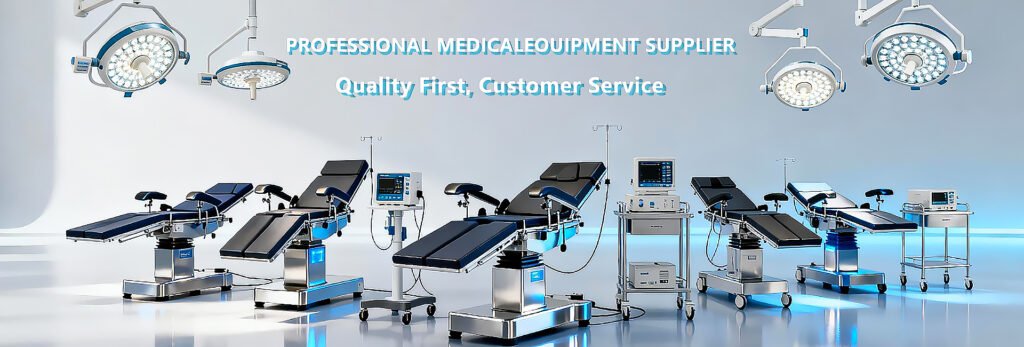
The Complete Guide to Hospital Furniture: Types, Functions, Materials, and Buying Tips
Introduction
Hospital furniture plays a foundational role in creating safe, efficient, and comfortable healthcare environments. Whether in general wards, intensive care units, outpatient clinics, or emergency departments, the right furniture directly impacts workflow efficiency, patient comfort, hygiene levels, and even clinical outcomes. Modern hospital furniture must meet not only functional requirements but also strict standards for durability, infection control, and ergonomics. This comprehensive guide explores the main categories of hospital furniture, their key functions, recommended materials, and essential buying considerations to help healthcare buyers and facility managers make informed decisions.
1. Major Types of Hospital Furniture
Hospital furniture covers a wide range of specialized products designed for patient care, staff use, and medical operations. Below are the most common categories found in medical facilities:
1.1 Hospital Beds
Hospital beds are among the most critical items in any healthcare setting. They include:
– Manual hospital beds
– Semi-electric hospital beds
– Fully electric hospital beds
– ICU beds
– Pediatric beds
– Long-term care beds
– Birthing beds
Key features of modern hospital beds:
– Adjustable height, backrest, and leg rest
– Electric control panels for patients and caregivers
– Trendelenburg and reverse Trendelenburg positions
– Side rails for patient safety
– Anti-bacterial mattress surfaces
– Easy-to-move wheels with locking mechanisms
Hospital beds must support both comfort and quick clinical interventions, especially in emergency and intensive care environments.
1.2 Examination and Procedure Tables
These tables are used in outpatient clinics, emergency rooms, and procedure rooms. Common types include:
– General exam tables
– Gynecology exam tables
– Treatment couches
– Procedure chairs for ENT, dermatology, and minor surgery
– Physical therapy tables
Essential features:
– Adjustable backrest and height
– Paper roll holders
– Durable upholstery
– Stability under patient movement
1.3 Overbed Tables and Bedside Cabinets
Overbed tables allow patients to eat, read, or use electronic devices while in bed. Bedside cabinets store personal belongings and medical supplies.
High-quality models include:
– Easy height adjustment
– Tilt-top surface options
– Spill-resistant edges
– Silent drawer rails
These items improve patient convenience and support daily care routines.
1.4 Medical Carts and Trolleys
Medical carts are the backbone of hospital workflows. Common types include:
– Emergency crash carts
– Anesthesia carts
– Medication carts
– Dressing trolleys
– Linen carts
– Instrument trolleys
Typical features:
– Locking drawers for medication security
– Color-coded systems for emergency response
– Antimicrobial materials
– Smooth-rolling wheels to support fast mobility
1.5 Patient Chairs and Recliners
Hospital seating must support long periods of sitting, safe patient transfers, and comfortable recovery.
Common types:
– Visitor chairs
– Patient recliners
– Dialysis chairs
– Chemotherapy infusion chairs
– Waiting area seating
Key considerations include padding, ergonomics, fabric durability, and cleaning ease.
1.6 Operating Tables and Stools
Used in surgical theaters, these must support precise adjustments, stability, and hygiene.
Key design features:
– Hydraulic or electric height adjustment
– Modular attachments for specific procedures
– Radiolucent surfaces for imaging
– Stainless-steel construction
1.7 Cabinets, Storage Systems, and Workstations
Proper organization is essential for infection control and staff efficiency.
Examples include:
– Medical supply cabinets
– Stainless-steel cabinets for operating rooms
– Laboratory workbenches
– Nurse workstations
– Mobile computer carts
1.8 Mobility Aids and Transportation Equipment
Hospitals require numerous tools for internal patient and equipment transport, such as:
– Wheelchairs
– Stretchers
– Transport trolleys
– Transfer chairs
Features include lightweight frames, safety belts, ergonomic handles, and shock-absorbing wheels.
2. Functions and Importance of Hospital Furniture
Hospital furniture must achieve both medical and non-medical functions:
2.1 Enhancing Patient Comfort
Beds, recliners, and exam tables support recovery by providing:
– Adjustable positioning
– Pressure distribution to prevent bedsores
– Comfort during extended stays
2.2 Supporting Clinical Efficiency
Furniture such as mobile carts, workstations, and operating tables streamline workflows by providing:
– Easy access to instruments
– Quick mobility
– Ergonomic positioning for staff
2.3 Ensuring Patient Safety
Safety-critical features include:
– Anti-slip surfaces
– Rounded edges
– Lockable wheels
– Side rails for fall prevention
2.4 Infection Control
Proper materials help prevent bacteria growth, involving:
– Non-porous surfaces
– Antimicrobial coatings
– Easy-clean designs
– Resistance to disinfectants
2.5 Improving Facility Aesthetics
Modern hospital furniture contributes to a welcoming, less stressful environment. Colors, shapes, and finishes influence both patient experience and psychological comfort.
3. Common Materials Used in Hospital Furniture
The materials selected for hospital furniture directly influence durability, hygiene, and maintenance.
3.1 Stainless Steel
Widely used in surgical and laboratory furniture due to:
– Corrosion resistance
– High durability
– Sterilization capability
– Minimal maintenance
3.2 Aluminum and Alloy Frames
Used in carts, wheelchairs, and stretchers due to lightweight strength.
3.3 High-Pressure Laminate (HPL)
Common in cabinets and overbed tables:
– Scratch-resistant surface
– Easy to clean
– Moisture and heat resistance
3.4 ABS and Medical-Grade Plastics
Ideal for carts, bed headboards, and drawers due to:
– Antimicrobial properties
– Smooth, rounded edges
– Impact resistance
3.5 Upholstery Materials
Seat and bed fabrics must balance comfort with hygiene:
– Medical-grade vinyl
– PU leather
– Breathable mesh
– Fire-retardant fabrics
3.6 Mattresses and Foam Materials
Modern hospital mattresses often use:
– High-density foam
– Memory foam
– Pressure-relief foam
– Waterproof covers
4. Key Considerations When Buying Hospital Furniture
Choosing the right hospital furniture requires more than just comparing prices. Here are essential factors to evaluate:
4.1 Compliance with Medical Standards
Furniture must meet international and regional healthcare certifications, such as:
– ISO standards for medical equipment
– FDA or CE certifications
– Fire safety regulations
This ensures patient safety and legal compliance.
4.2 Durability and Maintenance Requirements
Furniture must withstand intensive daily use. Consider:
– Frame material strength
– Scratch and corrosion resistance
– Ease of maintenance
– Warranty terms
4.3 Ergonomics and Comfort
For both staff and patients, the ergonomic design impacts:
– Injury prevention
– Reduced fatigue
– Better posture
– Improved patient satisfaction
4.4 Infection Control Capabilities
Check for:
– Seamless surfaces
– Antimicrobial materials
– Waterproof upholstery
– Resistance to hospital disinfectants
4.5 Mobility and Flexibility
Especially important for carts, beds, and chairs:
– Silent wheels
– Braking systems
– Lightweight construction
– Adjustable height and positions
4.6 Budget and Total Cost of Ownership
Consider long-term value:
– Repair availability
– Spare parts support
– Service contracts
– Expected lifespan
4.7 Customization Options
Some hospitals require:
– Custom colors
– Custom drawer configurations
– Branding elements
– Specialized mattress types
5. Emerging Trends in Hospital Furniture
Healthcare furniture continues to evolve with new technology and patient-centered design.
5.1 Smart Hospital Beds
Features may include:
– Integrated monitoring sensors
– Weight-tracking systems
– Automatic fall detection
– IoT connectivity
5.2 Modular Furniture Systems
Hospitals are increasingly using modular designs for:
– Easy reconfiguration
– Fast upgrades
– Better space optimization
5.3 Eco-Friendly Materials
More facilities seek sustainable materials such as:
– Recyclable plastics
– Low-emission laminates
– Certified wood products
5.4 Patient-Centric Design
Furniture is moving toward hotel-style comfort, featuring:
– Softer lighting
– Warm colors
– Noise-reducing components
6. Conclusion
Hospital furniture is far more than simple equipment—it is an essential component of patient safety, medical efficiency, and overall care quality. By understanding the different types of furniture, their specific functions, material options, and purchase considerations, healthcare organizations can create environments that support both patient well-being and clinical performance. Whether you are upgrading a single department or furnishing an entire hospital, investing in high-quality, ergonomic, and durable hospital furniture delivers long-term value and enhances the experience for patients, visitors, and staff alike.


 English